

Beef Phở
Christian Leue
8
Soup
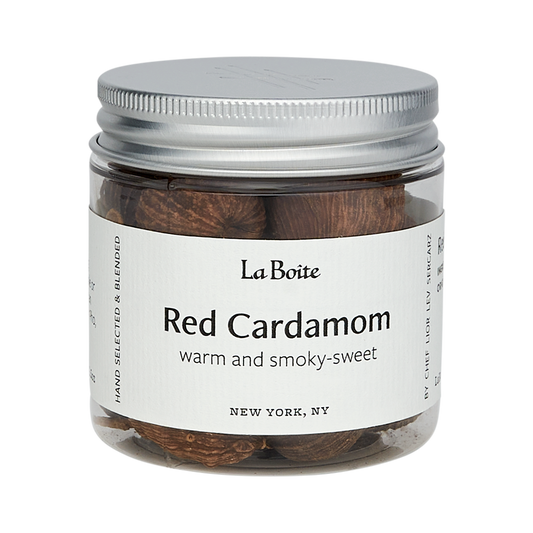
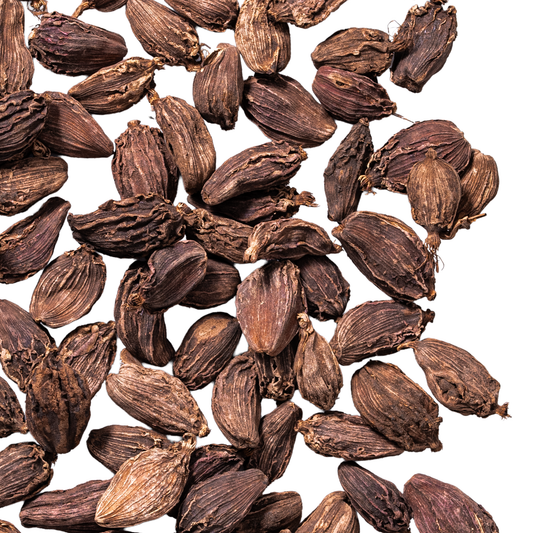
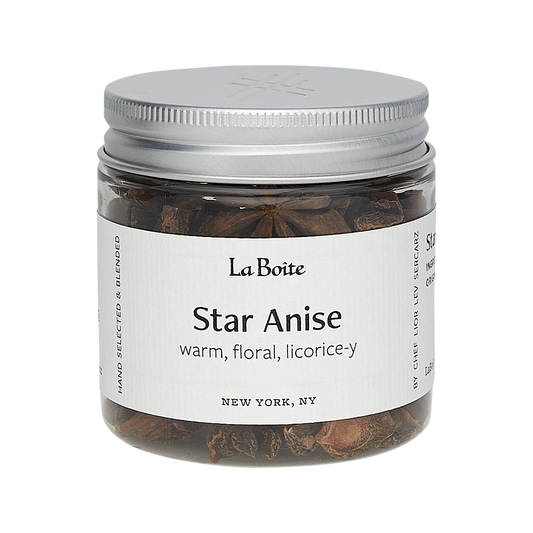
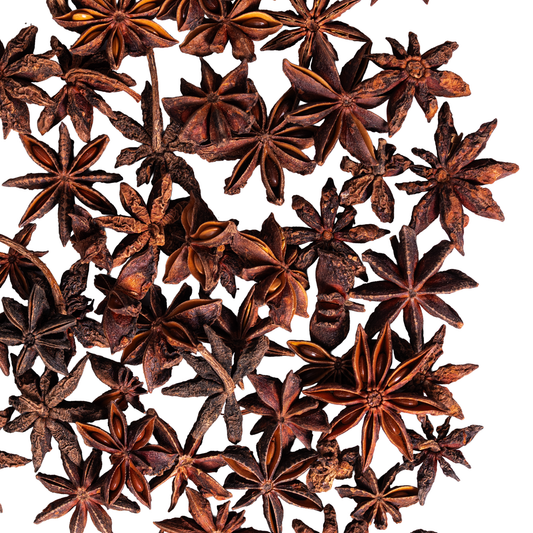
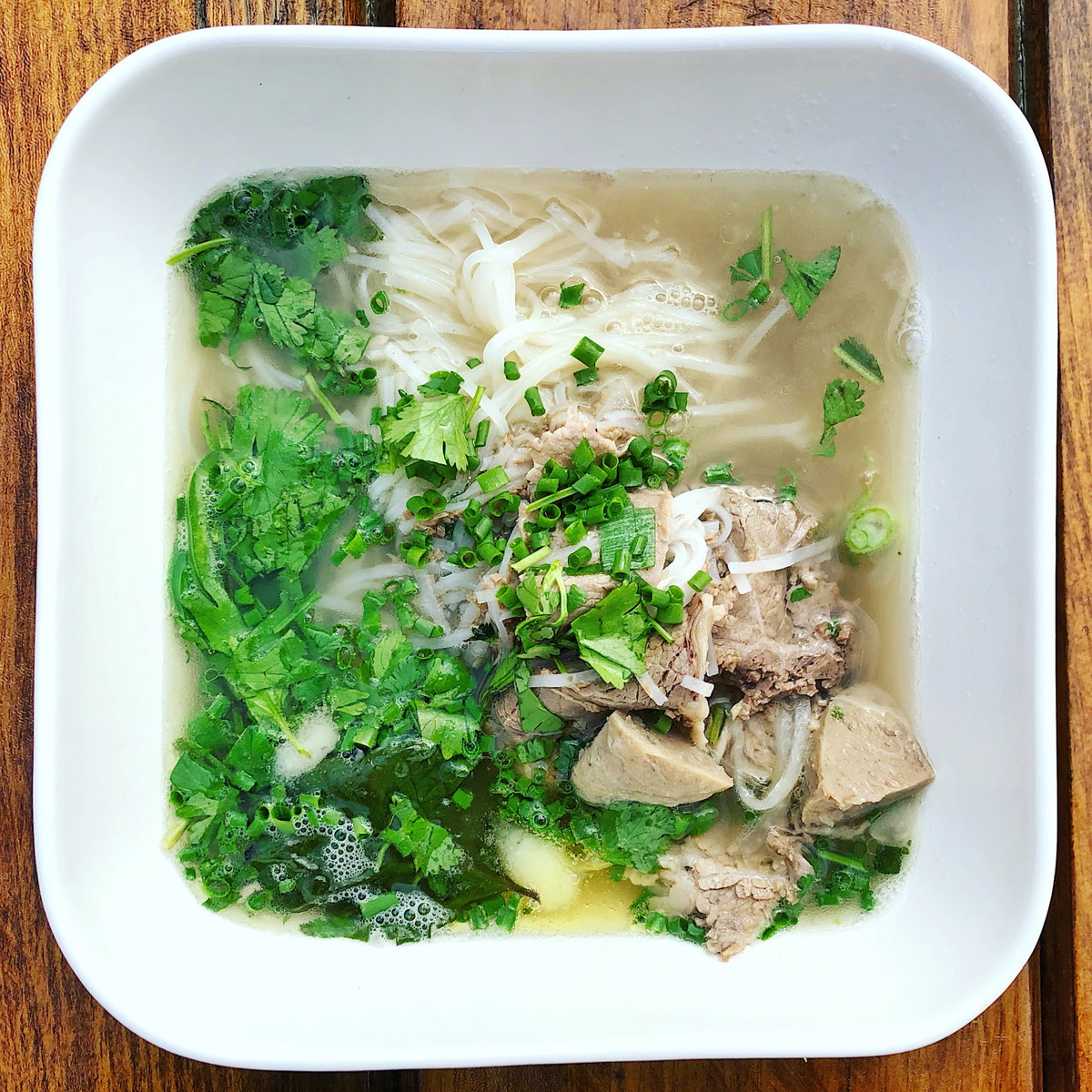
Considered the national dish of Vietnam, this dish has a history as rich and complex as flavor of the broth. Originating in the north, following the partition refugees brought the dish south where it exploded into countless variations. Following the Vietnam War a diaspora brought the dish around the world to major cities, creating further local variants. Chunks of Saigon cinnamon, plus red cardamom and star anise give this dish its unique flavor. It's well worth the time and effort!
Ingredients
Broth
- 1 (2 pound) piece of beef brisket
- 3 pounds of oxtail and/or beef shank
- 3 pounds of marrow bones
- 3/4 pound of shallots, washed and halved lengthwise
- 1/4 pound piece of ginger, halved lengthwise
- 5 whole star anise pods
- 1 Tbsp saigon bark
- 1 red cardamom pod, crushed
- 3-4 whole cloves
- 1 Tbsp fennel seed
- 1 Tbsp coriander seed
- Salt
- Raw sugar
- Fish sauce
- The whites of 4-5 scallions, cut into 2" lenghts, reserve the greens
To Serve
- Flat rice noodles, rehydrated in hot water
- Cooked brisket (from the broth)
- Fresh Thai basil
- Finely chopped scallion greens
- Finely chopped cilantro leaf
- Sliced jalapeño, serrano, or Thai chilis
- Finely sliced sweet onion, tossed with a bit of sugar and vinegar
- Fresh limes
- Hoisin sauce
- Tương Ớt Tỏi (garlic chili sauce)
- Sriracha
Optional for Serving
- Bò viên (Vietnamese meatballs*)
- Nước béo (reserved fat and scallions from cooking)
- Mung bean sprouts
- Thinly sliced raw steak
- Cooked shin or oxtail meat (from the broth)
Directions
Make the Broth
Place the the bones in large pot, cover with water and bring to a boil. Boil hard for a few minutes, add the brisket and boil for just a minute more, then drain everything into a clean sink. Rinse the meat and bones of any coagulated proteins and rinse out your pot thoroughly with water. Return everything to pot (placing the brisket on top) and cover with fresh water, then bring to a simmer. This initial step ensures a cleaner tasting and much clearer broth.
While the meat and bones are coming to a boil prep your other ingredients. Char the onions and ginger under the broiler, on the stovetop, or on a grill. You can also use a dry skillet if you don't want to deal with open flame, but it will take a bit longer. Once blackened, aromatic, and a bit soft (6-7 minutes on a stovetop over a bare flame, longer under a broiler or in a pan), mash them gently with the back of a pan or a meat tenderizer, and then set aside.
In a dry skillet toast the spices until fragrant, then transfer to a bowl to cool. Placing them in a muslin bag will make them easier to strain out later.
Add the onion and ginger to the pot with the beef, along with 2 teaspoons of salt and 1 tablespoon of sugar. Cover the pot loosely and maintain a low simmer for one and a half to two hours, until the brisket is cooked through and tender. Remove and chill the brisket, skim any surface impurities from the broth, and add the spices.
Simmer for 2 hours, add the scallion whites, then simmer one more hour. The scallion whites can be reserved. Strain everything else from the broth, remove the meat from the oxtail and/or shin bone and reserve, and skim and reserve the fat that's on top of the broth. A fine-mesh fat skimmer makes this much easier.
Return the broth to a clean pot and bring to a simmer. Add 1/4 cup of fish sauce, then taste and adjust to your tastes with additional salt, sugar, and/or fish sauce. You want a bold broth that's noticeably salty.
Serve
Prepare a platter with sliced onion, cilantro leaf, scallion greens, Thai basil sprigs, sliced hot peppers, and fresh lime wedges.
In each bowl serve a portion of the rehydrated rice noodles (fill the bowl about halfway). Top with a good sized handful of thinly sliced cooked brisket (slice against the grain with a sharp knife), then add broth to cover.
People can garnish their soup as they prefer. Have them try the broth first before adding anything. Serve with chopsticks and a soup spoon, and small dishes in which to mix the hoisin, garlic chili sauce, and sriracha. Eat the meat by dipping it into the sauce.
My favorite variations include adding bò viên (Vietnamese meatballs with a uniquely dense and chewy texture), and serving with a side of nước béo (the spice-infused beef fat that floats to the top of the broth). You can add the fat to the soup directly, or mix it with the hot sauce to make a decadent dipping sauce for the meat.
Some other serving ideas to consider: Bean sprouts add body and texture when you're not having a lot of meat, the cooked shin/oxtail may also be to your tastes (it will have much of the gelatin cooked out and be on the drier side), and you can also poach thin slices of fresh steak in the bowl for a fresh texture and flavor.
Related Products